Stobaugh Family Harvests 73rd Crop in the Arkansas River Valley
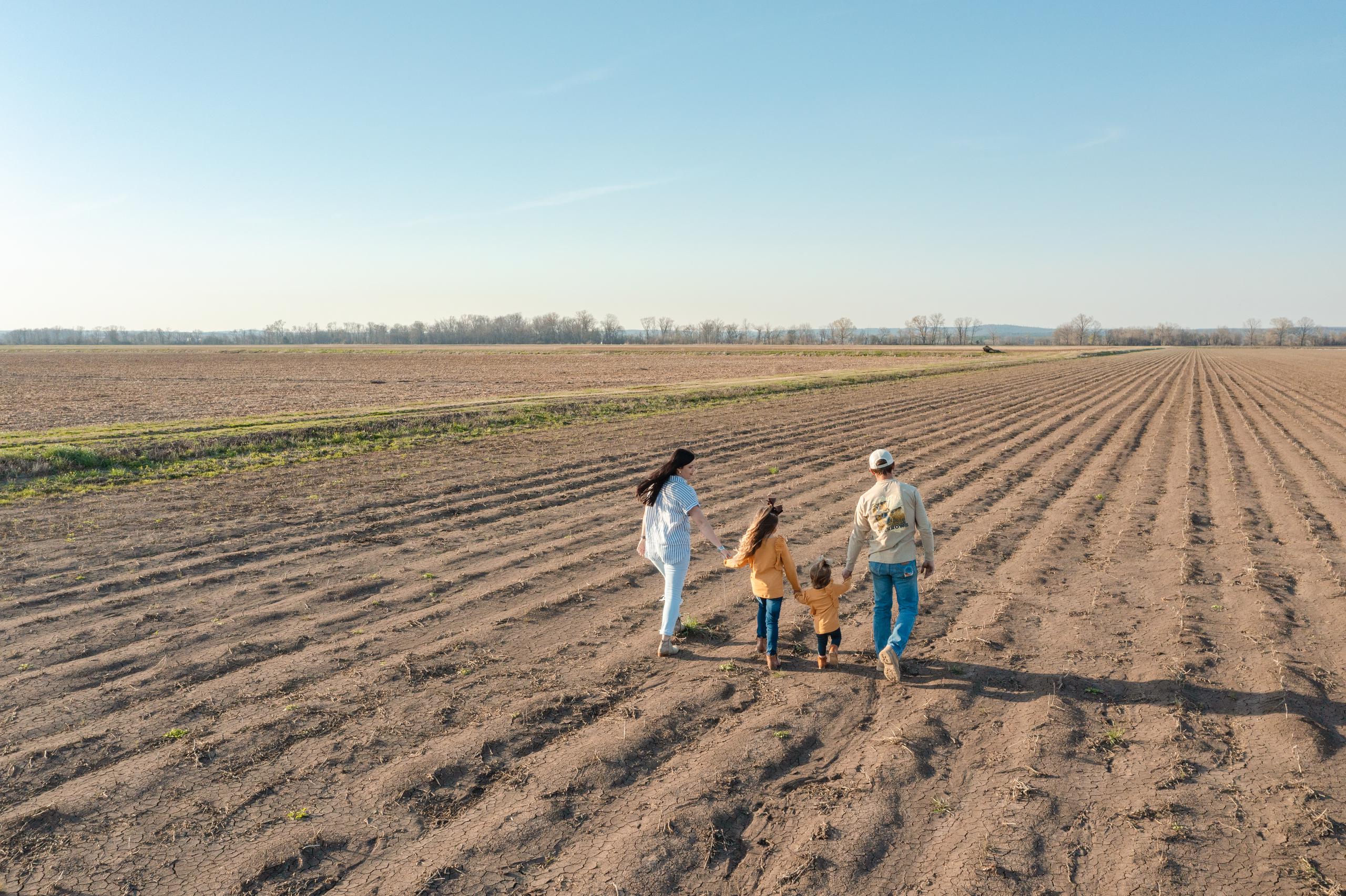
In the heart of the Arkansas River Valley, the Stobaugh family's farm tells the story of growth, loss, and unbreakable family bonds.

Over the past 73 growing seasons, the Stobaugh family has learned, struggled, flourished, mourned, adapted, and everything in between.
On April 18, 1920, Audy Ray Stobaugh Sr. was born at the foot of Wolverton Mountain. Audy Sr. grew up on his family’s farm in Plumerville, Arkansas and at 19, he began a paper route and delivered motion picture films to the theatre. At 21, he was drafted by the United States Army.
After returning home, Audy Sr. married his wife, Edith, on January 25, 1950. A year later, Audy Sr. began his farm with an 80-acre tract, but still continued his Sunday paper delivery route until 1962. He and his wife had four sons: Audy Jr. (“Ray”), Bruce, Barry, and Robert.
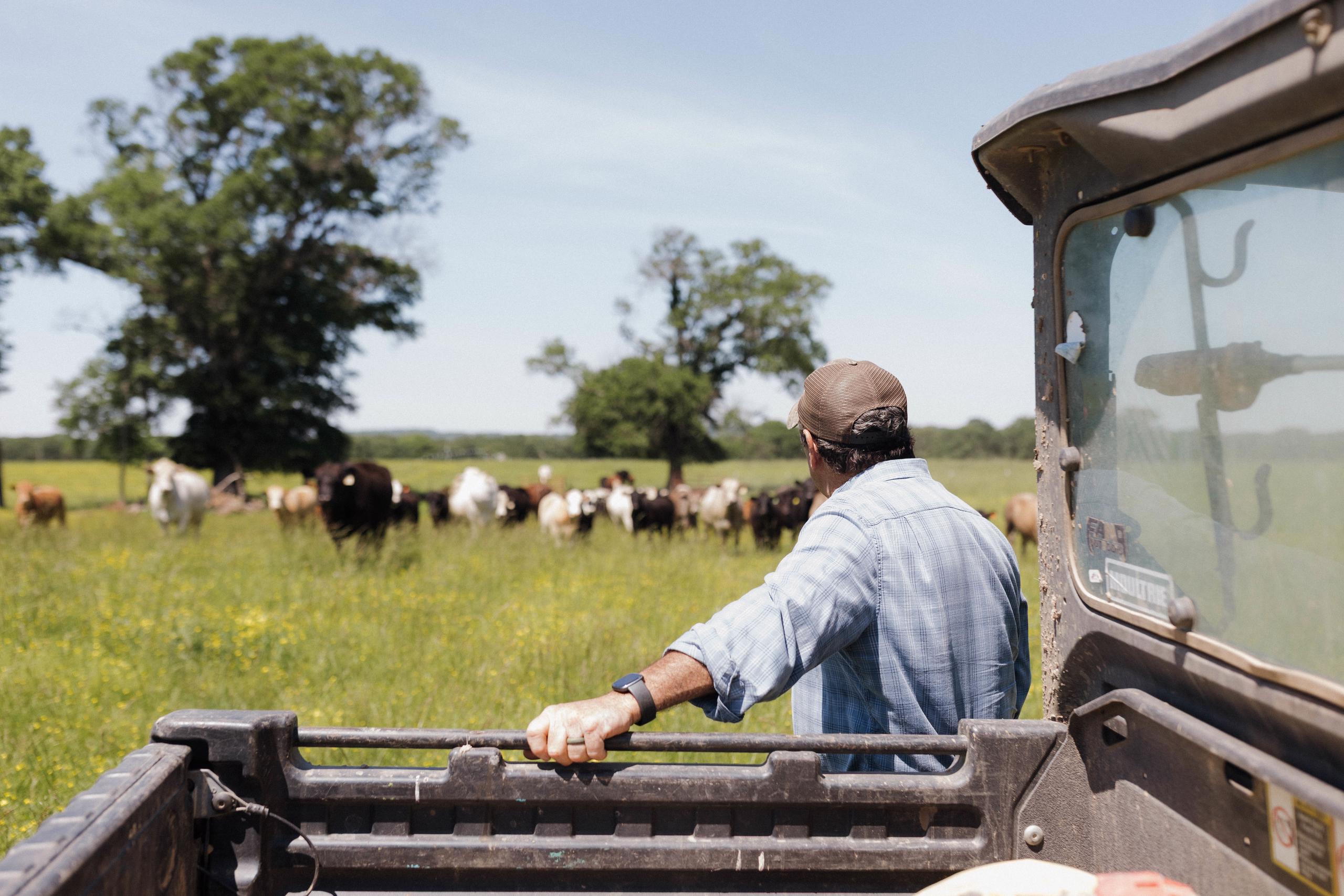
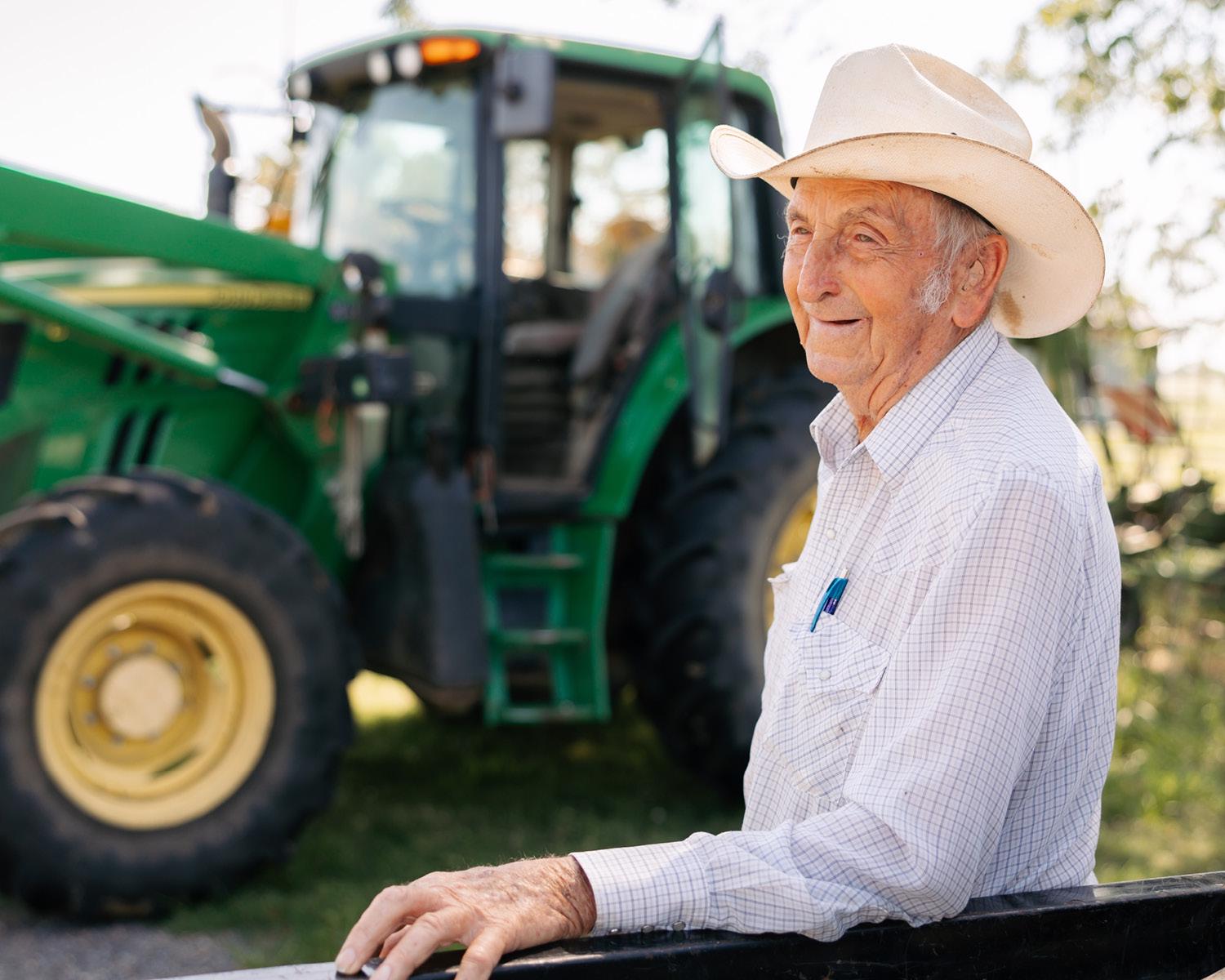
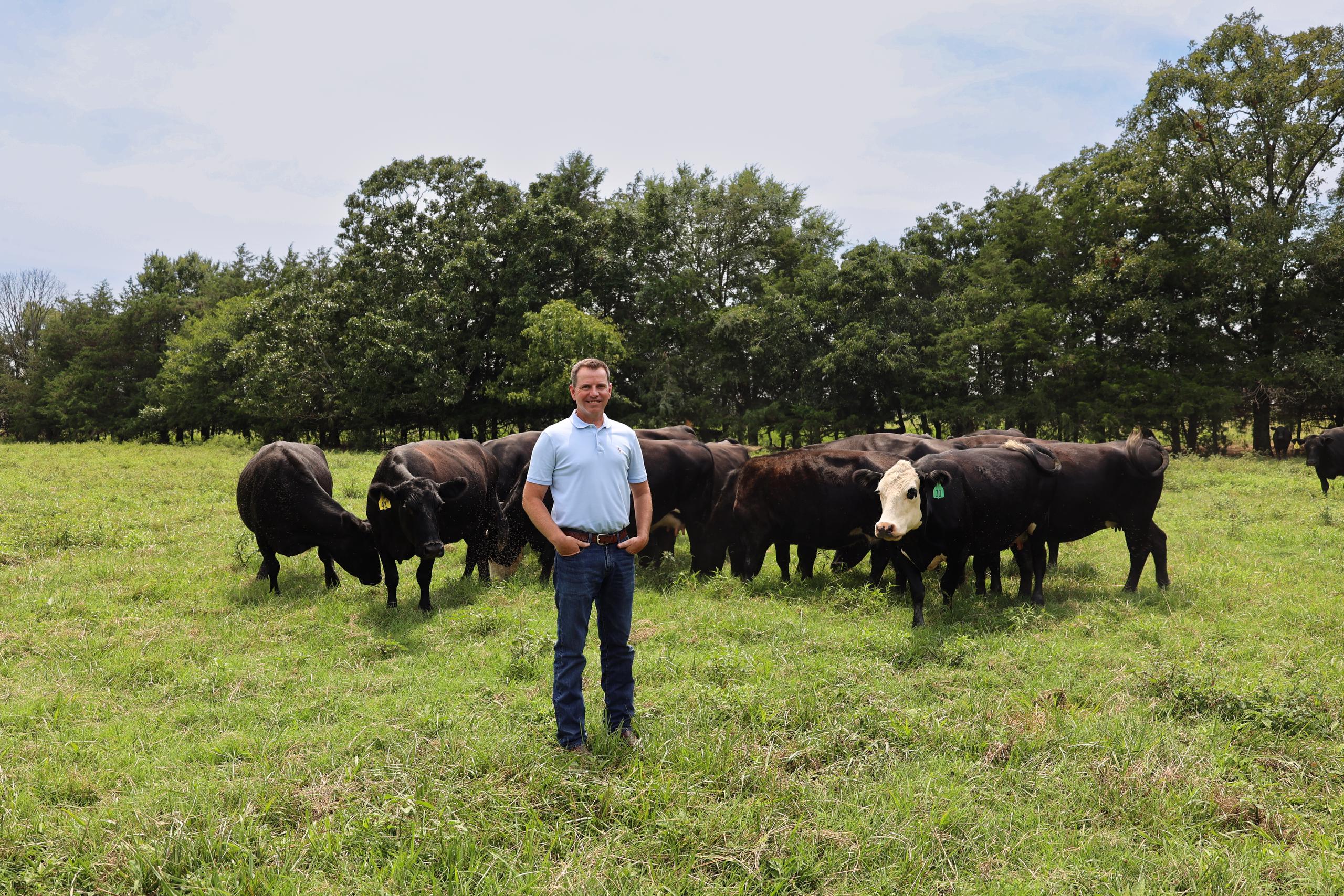
As he drives through the approximately 6,000 acres cultivated by Stobaugh Brothers Farm today, Robert Stobaugh recounts the origins of their operation.
“Dad always made the joke that he never thought he’d have four boys, and he never thought we’d all have an interest in farming, but we did.”
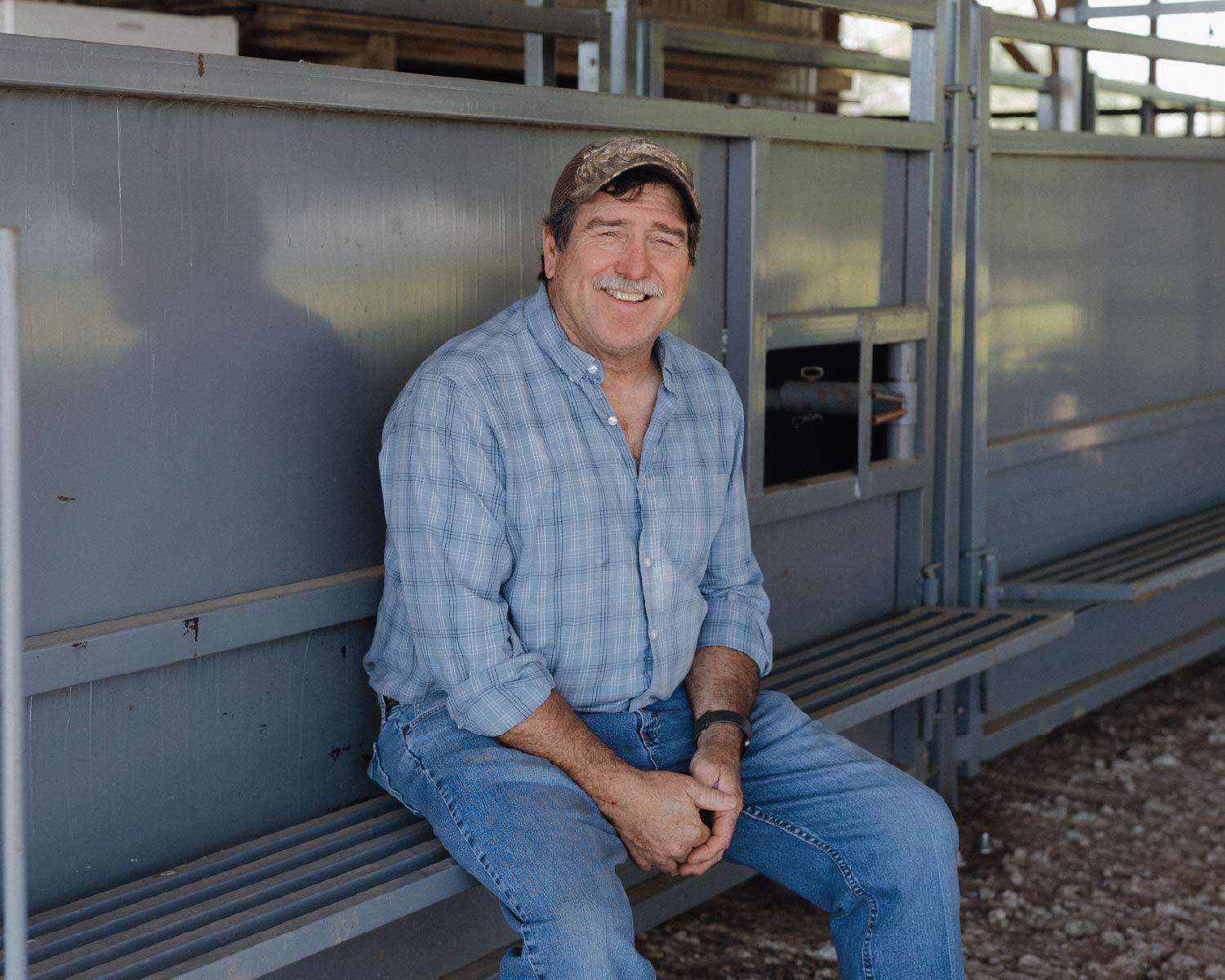
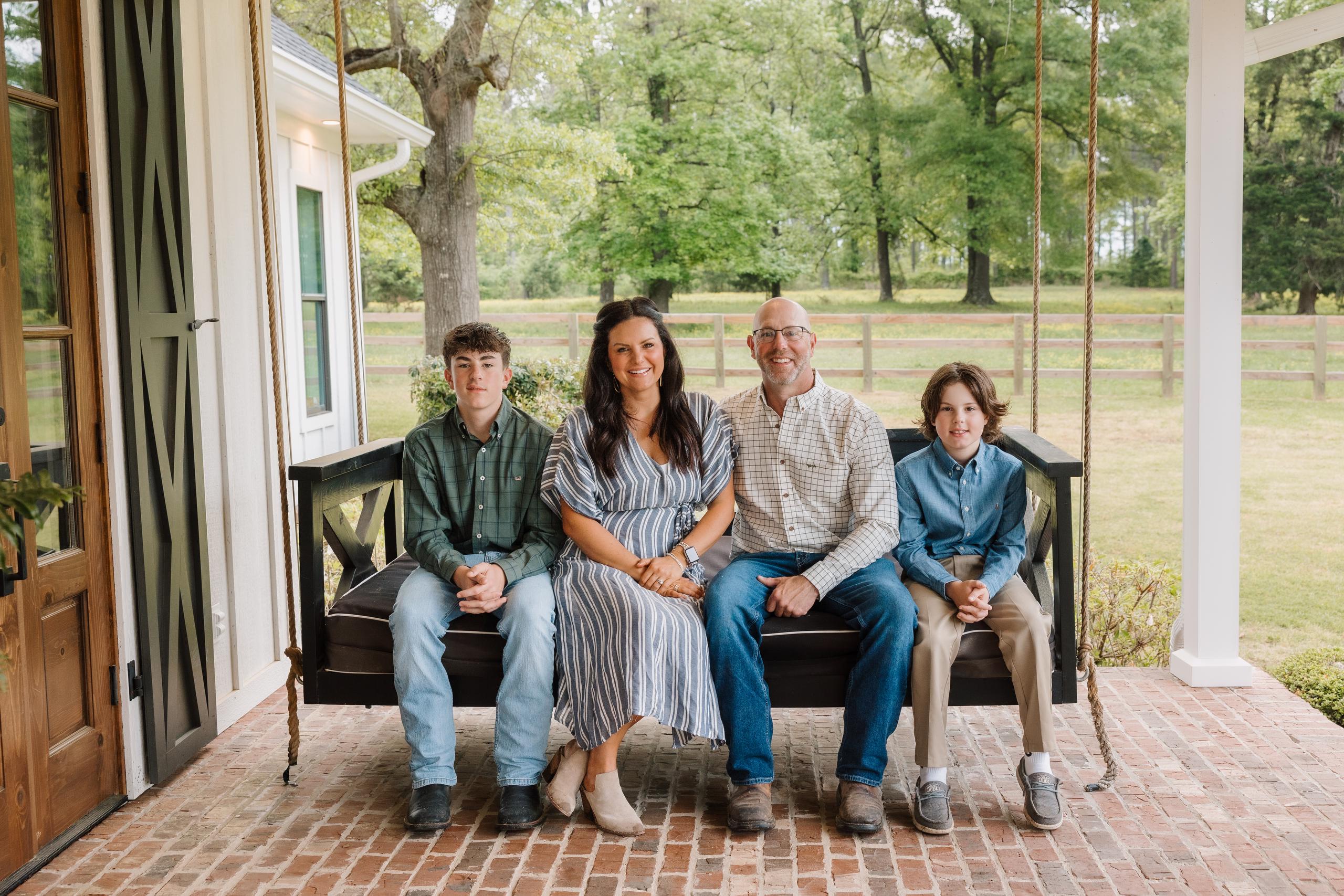
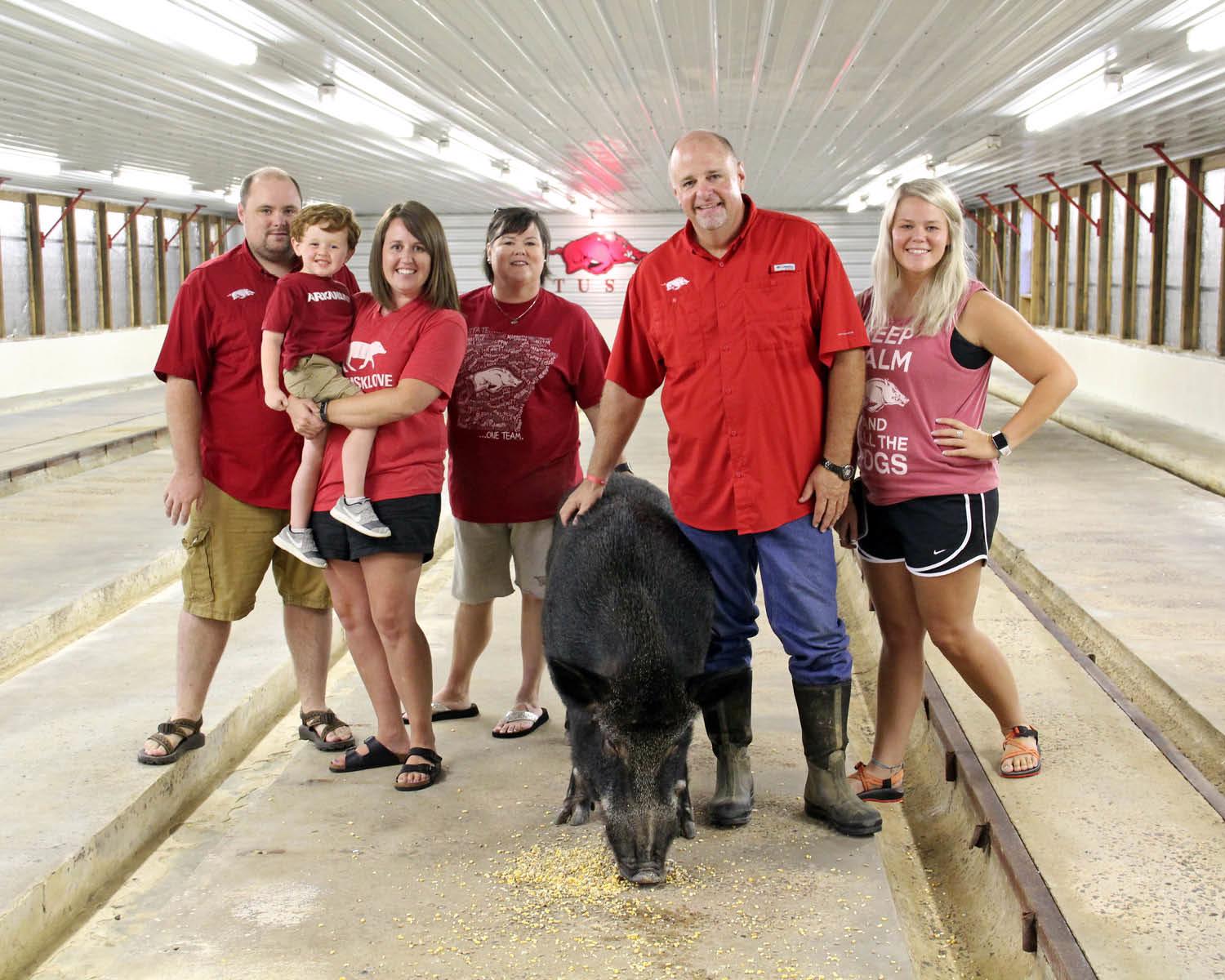
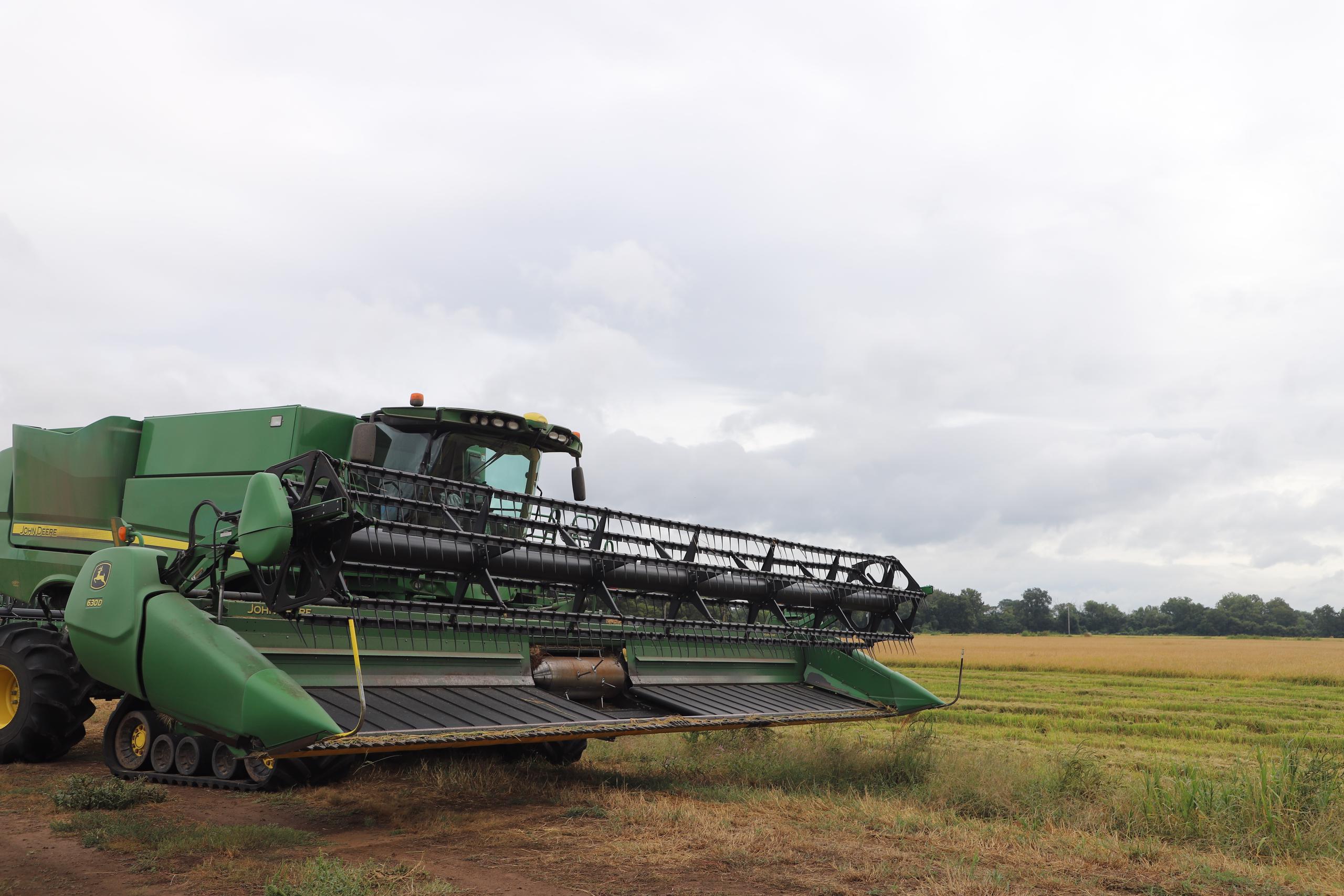
Today, two of the four brothers – Barry and Robert – are still involved in the operation of Stobaugh Brothers Farm. The oldest brother, Ray, has been retired for around 20 years, and second-oldest, Bruce, tragically passed away in a farm accident in 1992. Bruce’s son, Bart, carries on his father’s farming legacy by joining Barry and Robert as part owner. The trio work together to farm corn, rice, and soybeans in the Arkansas River Valley region.
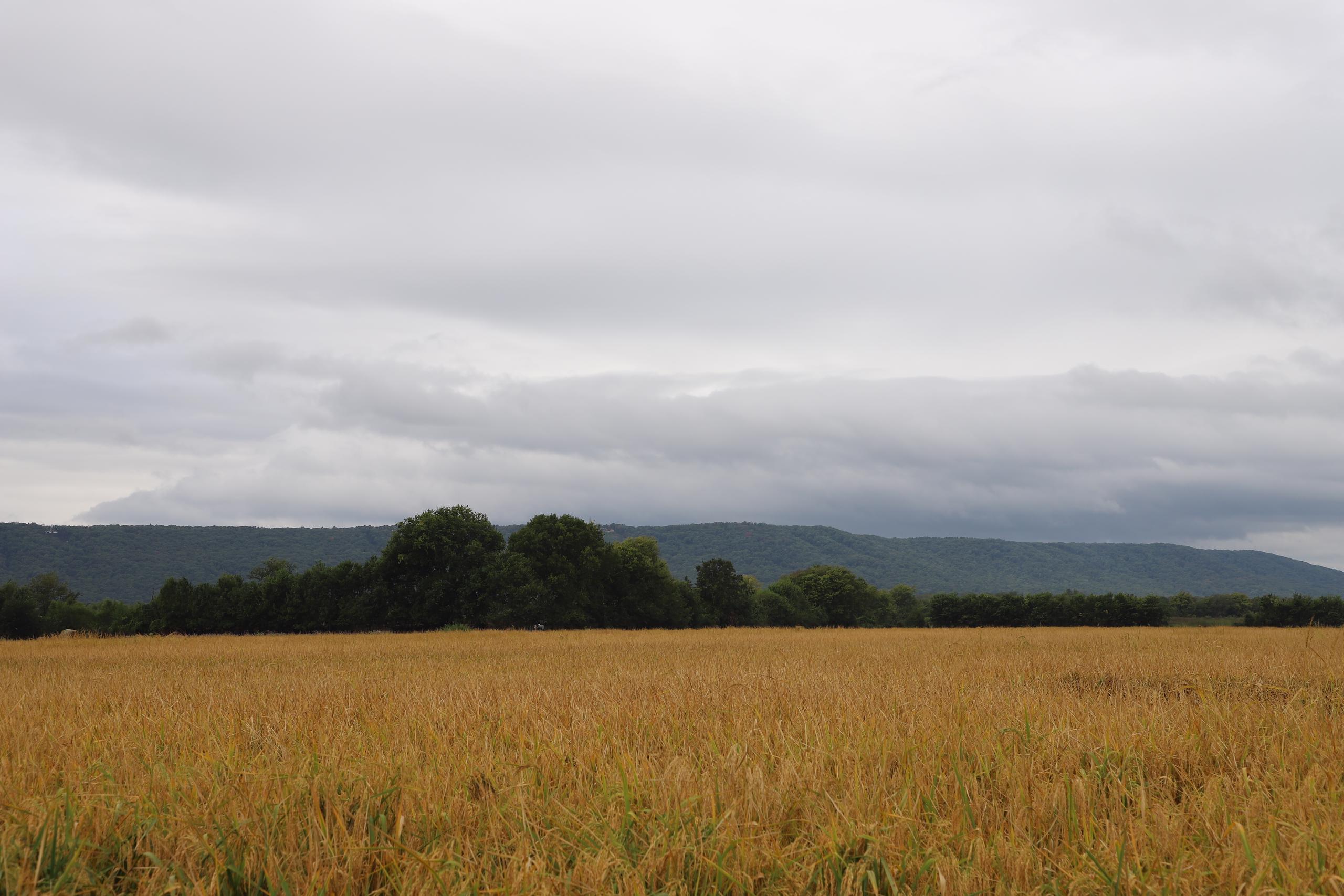
Over the years, the family has grown a variety of crops, even specialties like sunflower and canola. In the end, it comes down to one thing: “Everything has to carry its weight,” Robert says. “If some of them carry a little better, those are the ones you need to grow.”
One of the crops the operation has seen carry its weight time and time again is rice. While it makes up about a quarter of their acreage, it accounts for a third of their income. Their best rice producing land is uniquely situated on up to 55 feet of Roellen clay followed by a layer of slate, making the soil excellent at holding water. This allows the operation to collect, store, and reuse the precious resource efficiently.
Robert stresses that water is one of the most important factors in farming. The Stobaugh family was instrumental in the construction of the Point Remove Wetlands and Irrigation project which harnesses the creek running along the property for irrigation. This project was completed over 20 years ago but is a small-scale model for other water projects currently under construction.
“It’s political, it’s personal, it’s economical. We were able to put that all together and be a part of it,” Robert says of the Point Remove project.
Beyond the water project, the Stobaugh family has been implementing innovative practices for years. On the north side of the operation, a 700-acre tract was precision leveled and had a tailwater recovery system installed way back in 1976. This was a pioneering project in the River Valley and has been the Stobaughs’ premier rice farm since the early 1990s.
The Stobaugh family was featured in Farm Credit of Western Arkansas’s magazine, formerly Farming with Family & Friends, in the summer of 2004. Even 20 years ago, the operation was incorporating GPS technology to help increase efficiency.
In the 2004 article, Bart says, “In the near future, GPS can assist in the actual driving of our equipment with automated steering.” According to the USDA Economic Research Service, more than half the acres planted in corn, soybeans, cotton, and winter wheat are now managed with auto-steer and guidance systems.
“We’re always looking for ways to improve the efficiency,” Robert says. Just in the last few years, they have been modifying some of their fields to facilitate row irrigation. Even with more than 70 years of farming knowledge and history, Robert and his partners are not afraid to adapt to the most efficient method or try something new.
Although a lot has changed on the farm in the past four decades, one thing remains the same: their relationship with their lender.
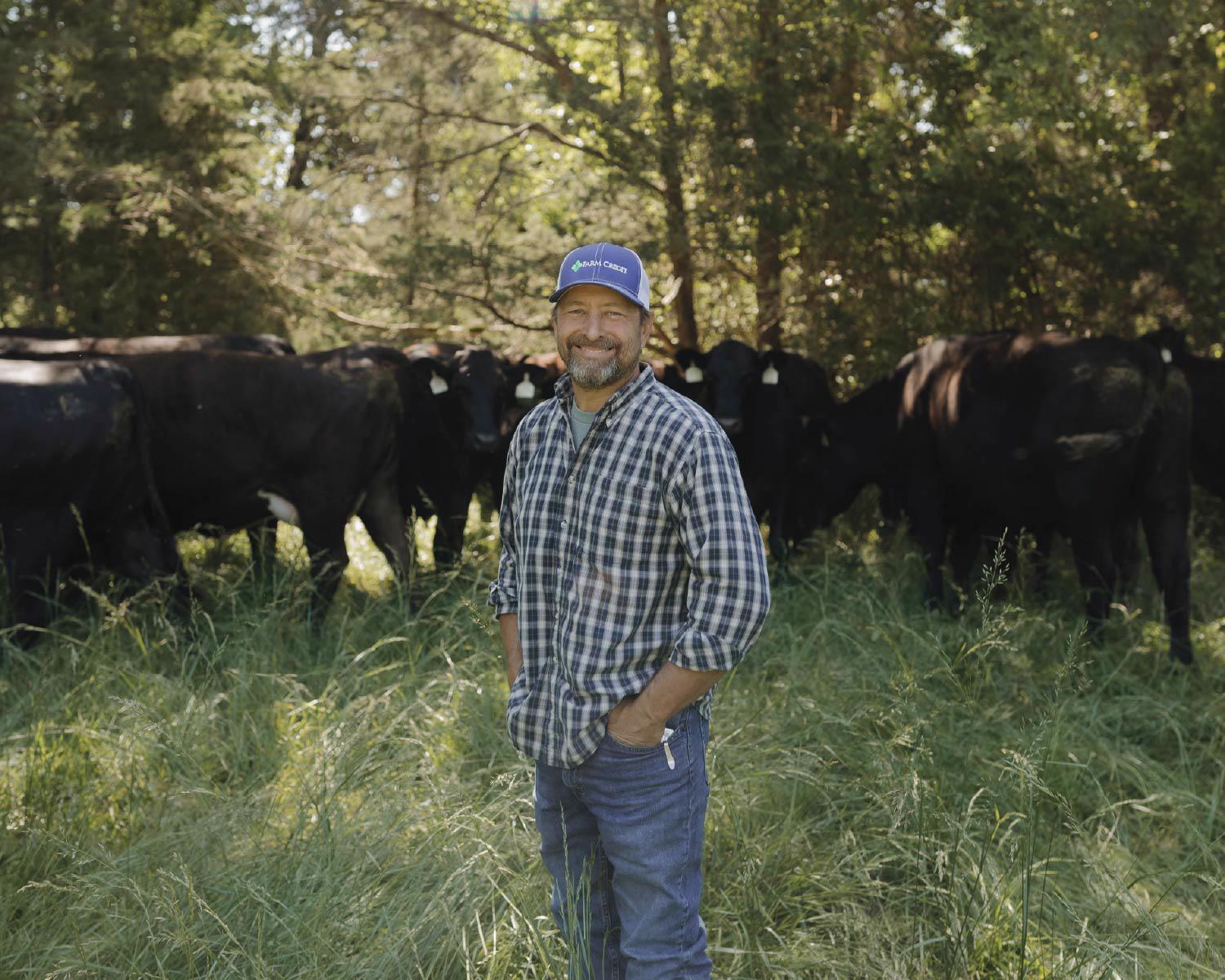
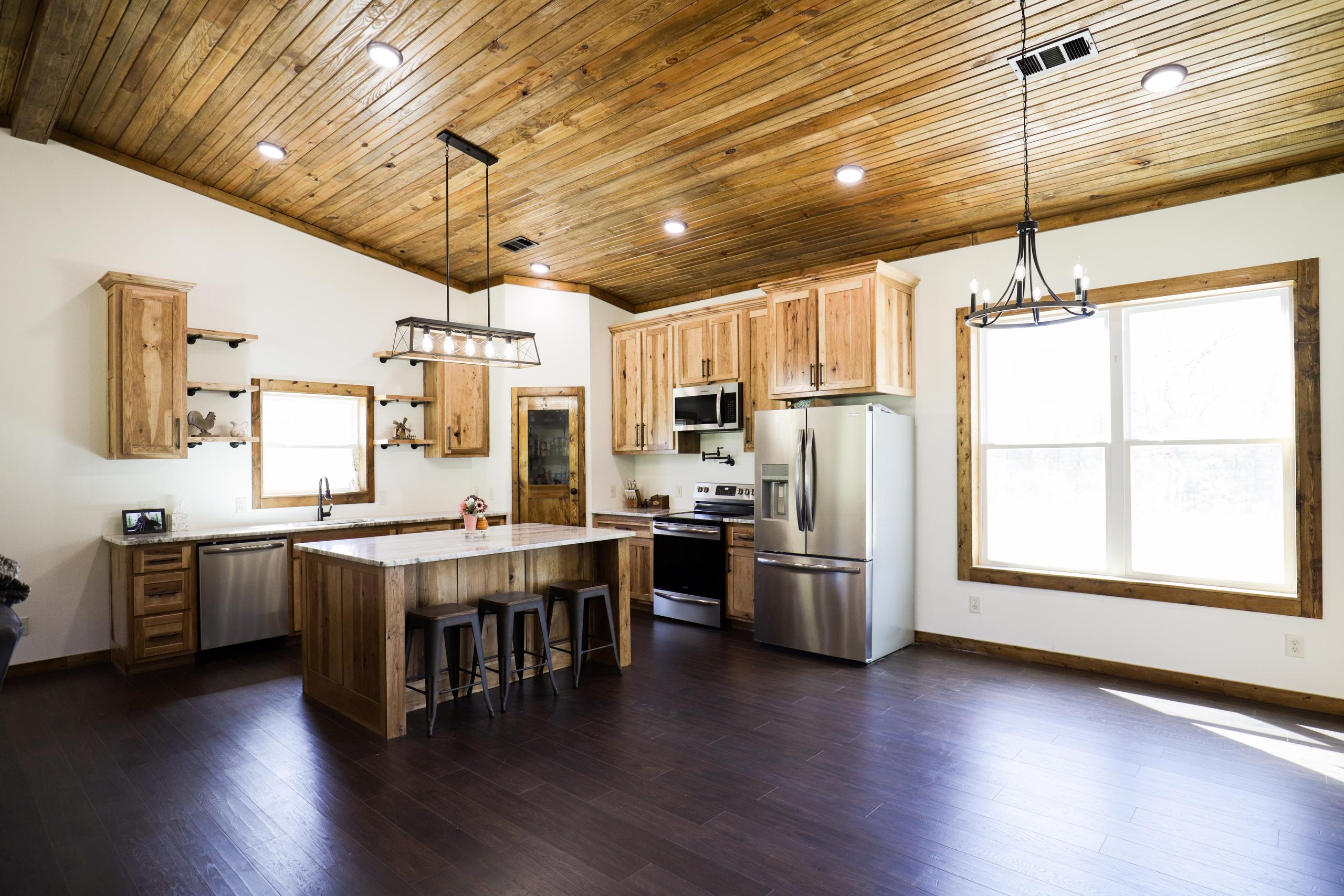
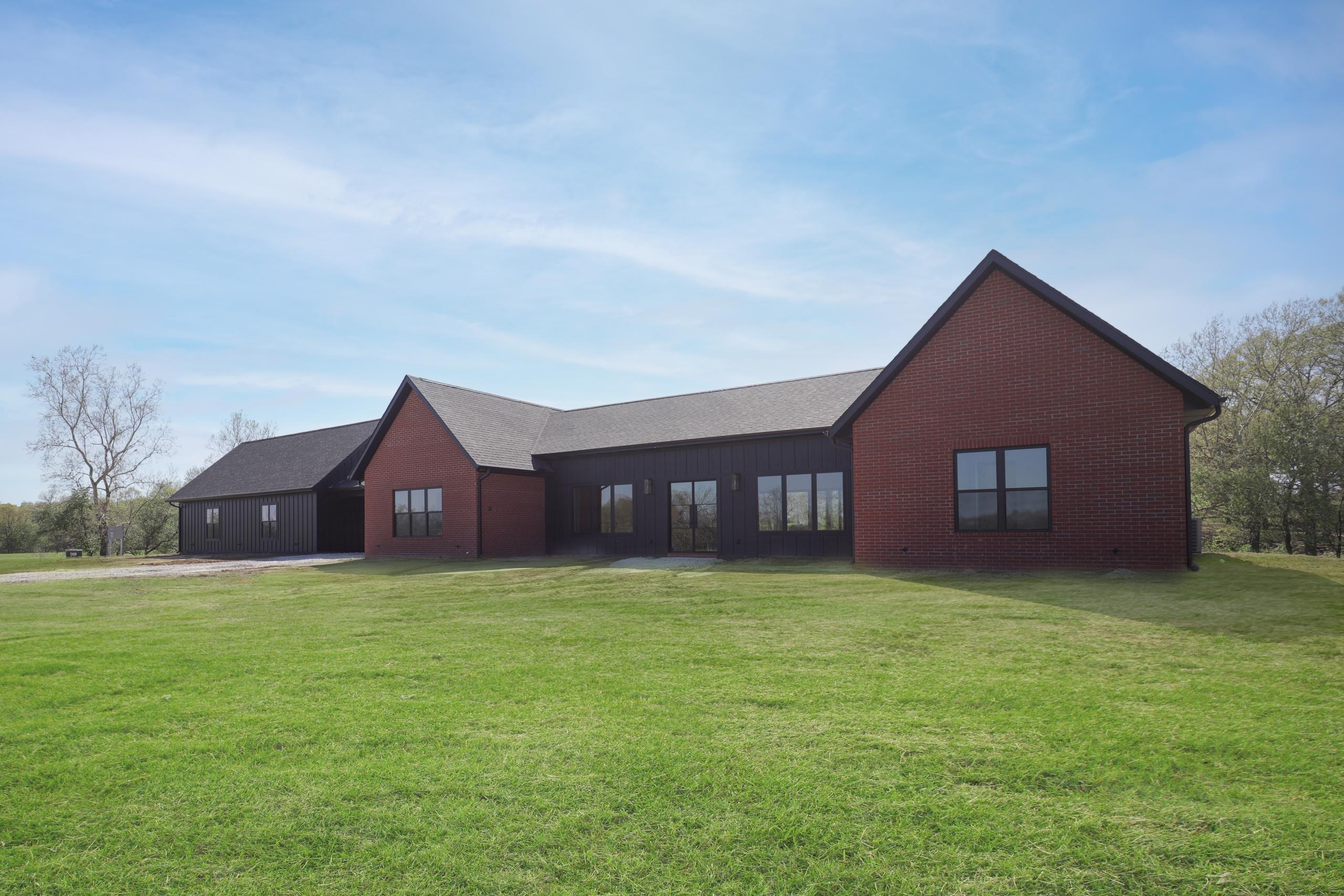
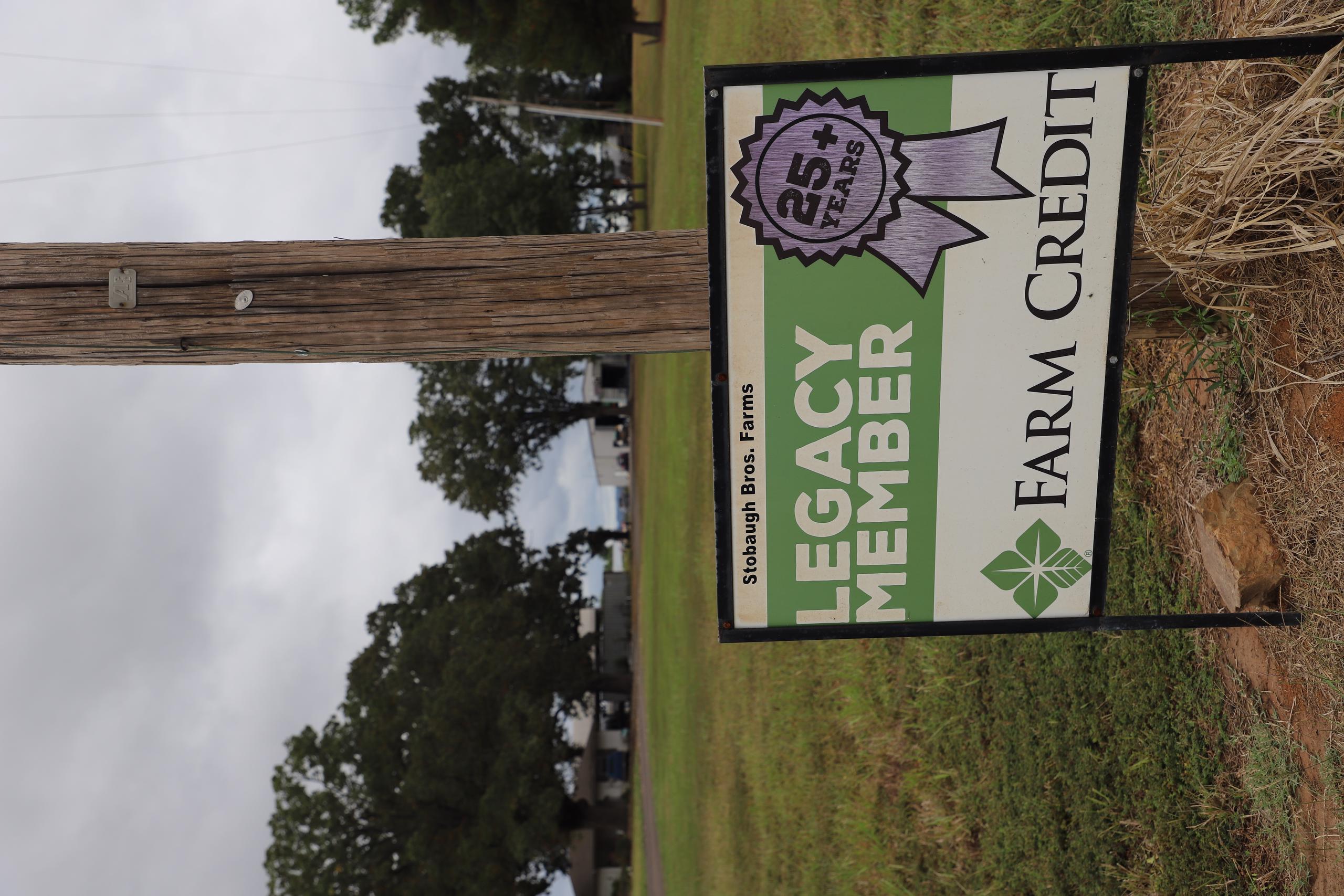
We’ve been Farm Credit members for a little over 40 years,” Robert says. “We’ve bought land, we’ve built houses, and we’ve produced a lot of crops with their help. It’s been a good business relationship.”
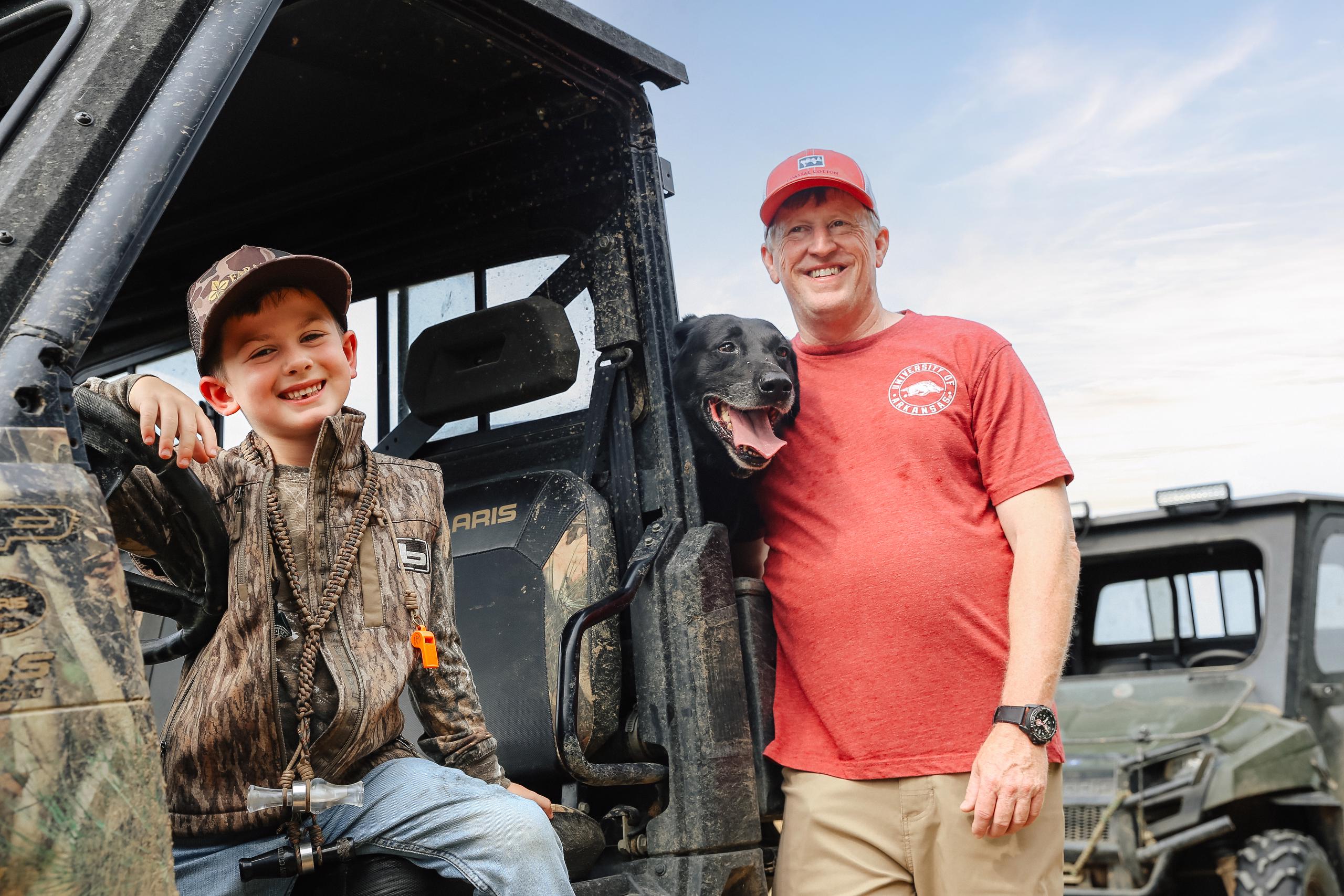
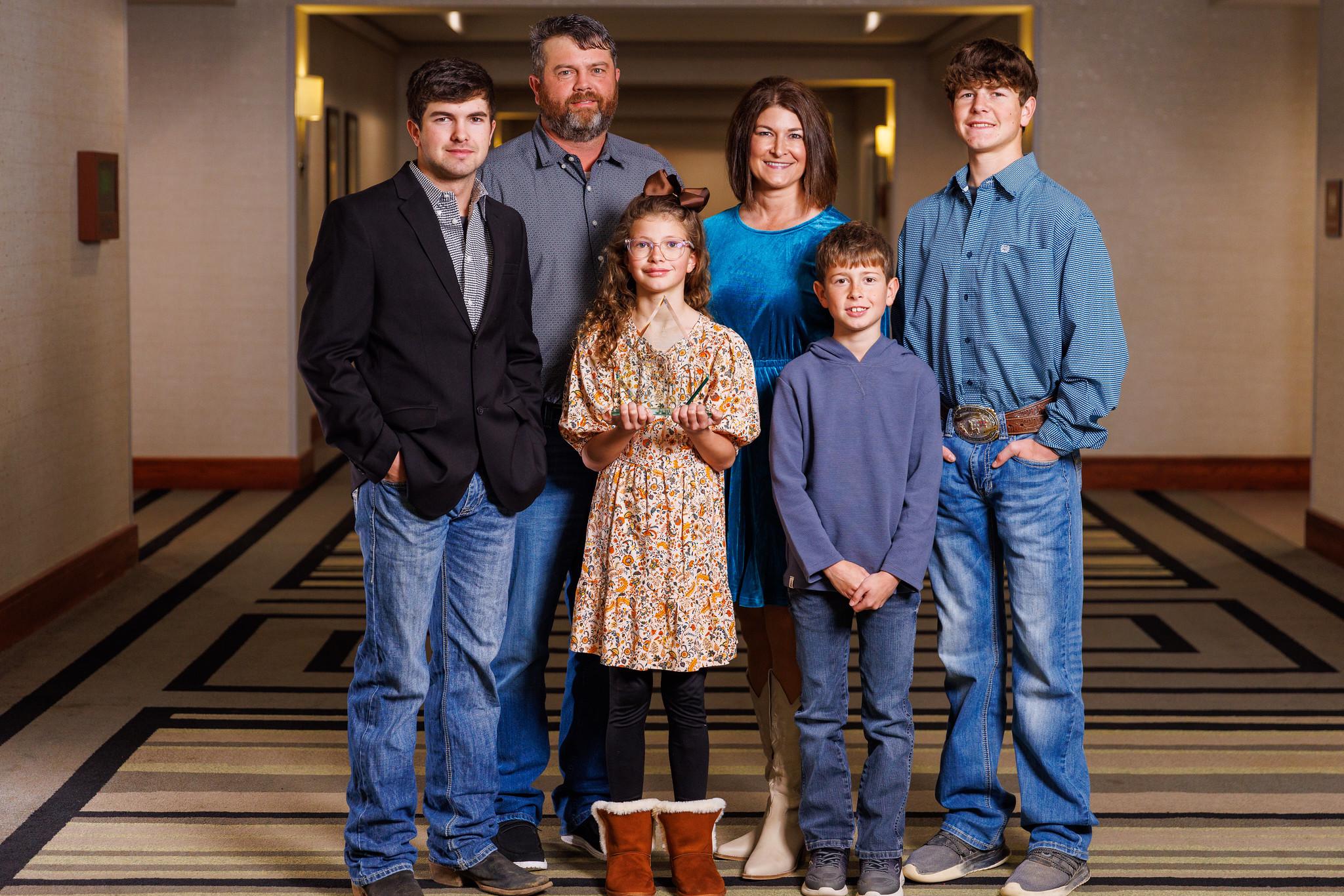
In recent years, Robert and Barry have begun to contemplate retirement, but they have no plans for the operation to dissolve. Cade, Barry’s oldest grandson, has joined the farm full-time and is in the room when big decisions are being made. Several other grandchildren help out during their summer breaks or after school.
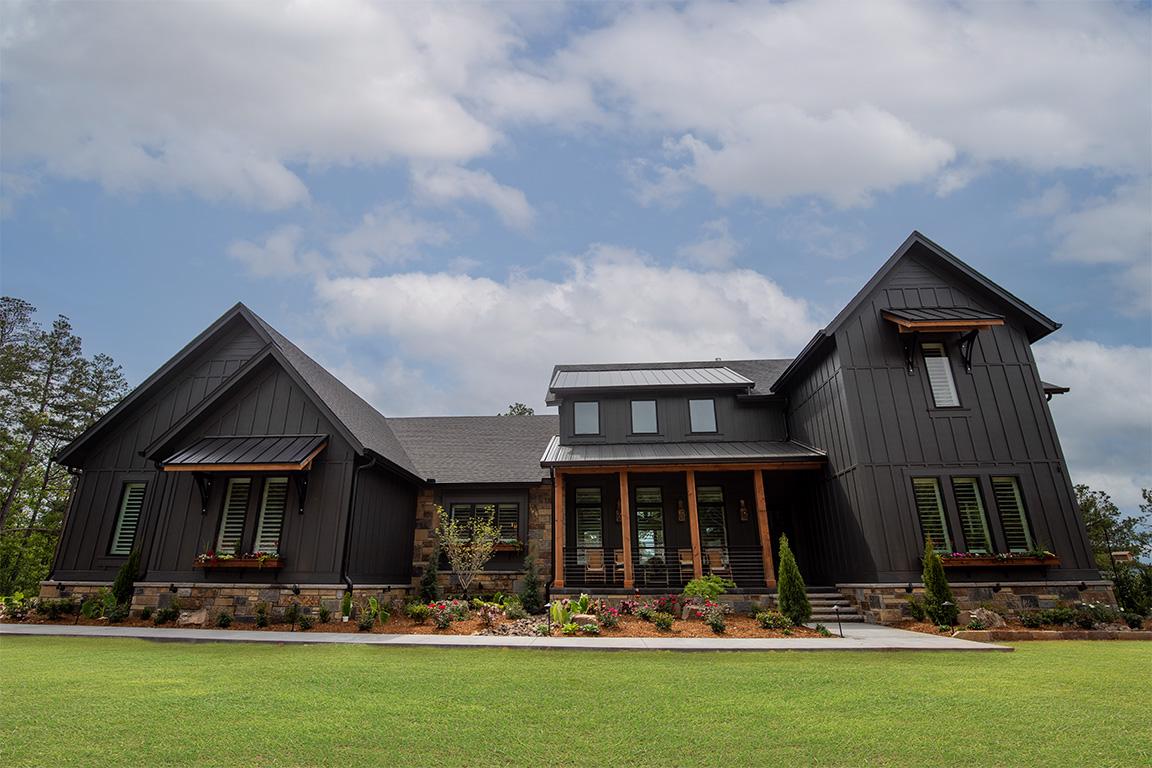
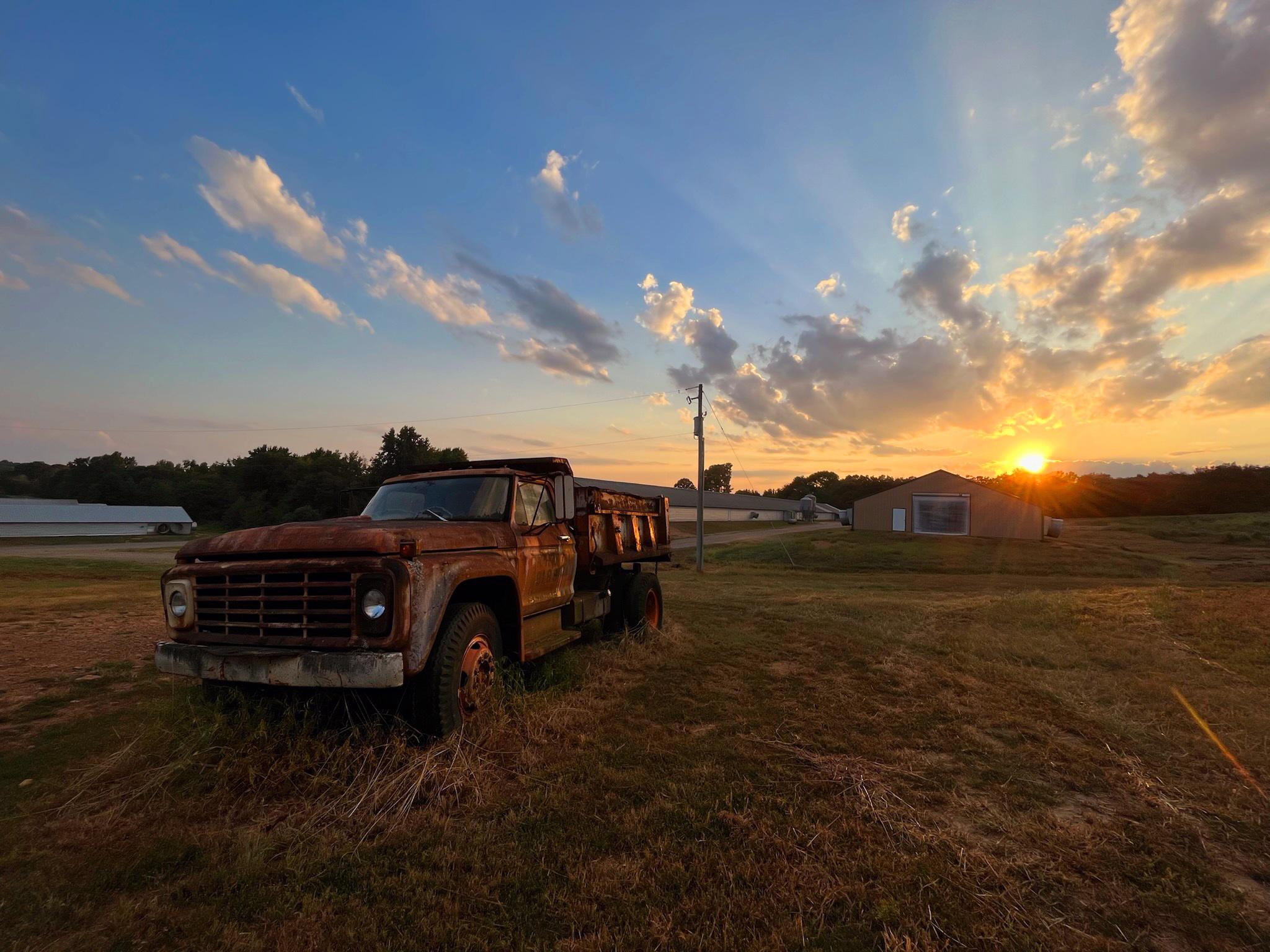
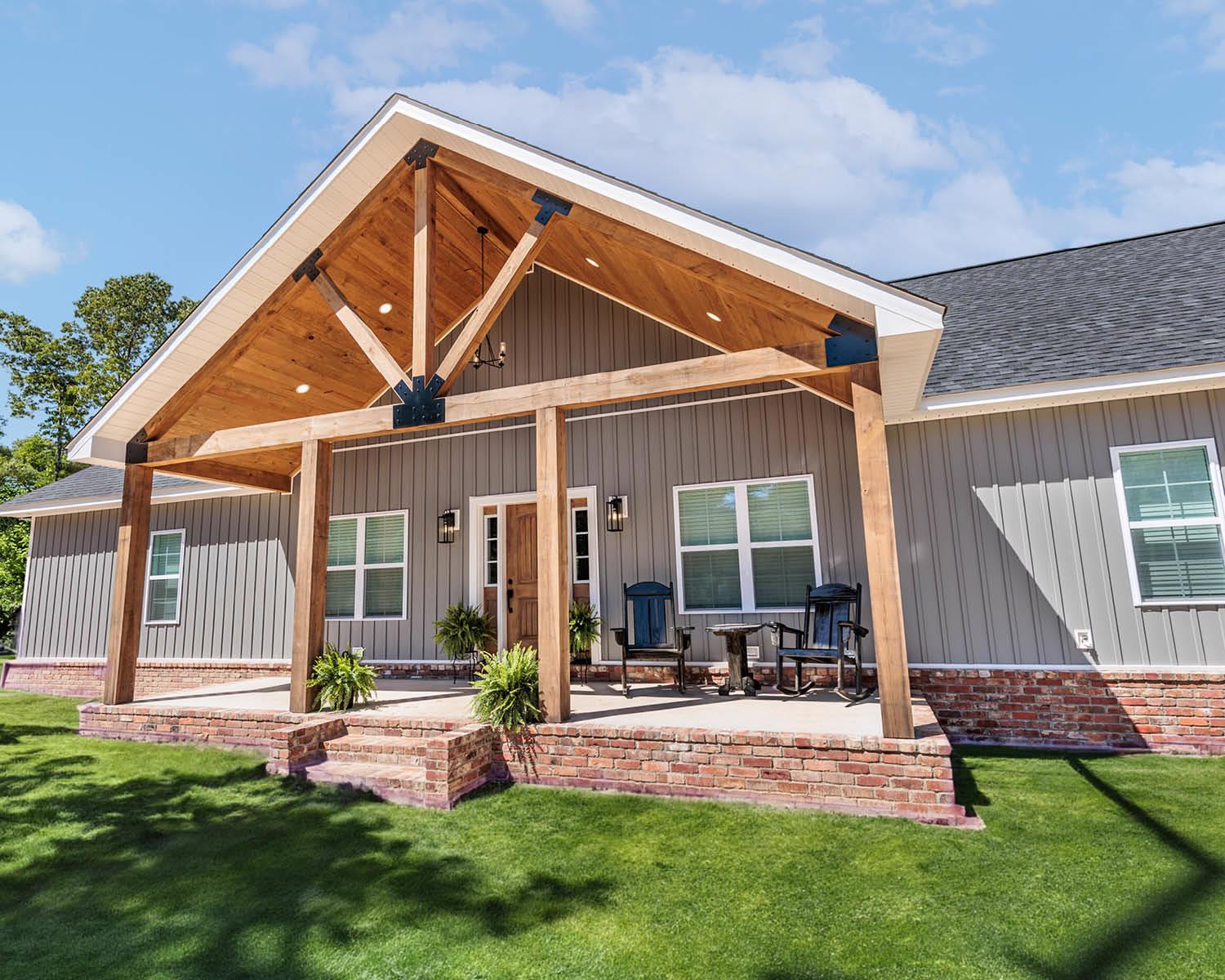
Until it’s time for Robert to retire, he can be seen operating equipment during harvest, performing maintenance in the winter, and helping with the day-to-day tasks. As his truck pulls away from the metal shop building and heads to the fields, he passes by the family’s homes lining the lane and says, “We’ve made a go of it and it’s been good to our family. It’s just part of who we are.”
Other News