Choosing the Right Contractor
A few smart steps now can save a lot of stress later.

Maybe you’ve been thinking about your home plans for years, or you’re finally ready to update a house that feels a bit outdated. Once you decide to move forward, it’s easy to want to get started right away. But before any work begins, one choice matters most: picking the right contractor.
The right contractor can make the building process feel organized and manageable, while the wrong one can lead to delays, frustration, and added expenses. The good news is you don’t need to be an expert to protect yourself.
Whether you’re starting from scratch or just remodeling a kitchen, here are some easy tips to help you hire with confidence
Start With a Licensed Contractor
Before you hire anyone, make sure they are properly licensed.
A contractor’s license means they meet state requirements and are legally allowed to do the work. Checking this is one of the simplest ways to protect yourself before the project starts.
In Arkansas, you can check a contractor’s license online with the Arkansas Contractors Licensing Board. You can also look up reviews and complaints on sites like the Better Business Bureau or Angie’s List.
Quick Tip: If a contractor avoids questions about licensing or insurance, consider it a red flag.
Ask Around Before You Hire
One of the best ways to find a contractor is still the old-fashioned way: talk to people you trust.
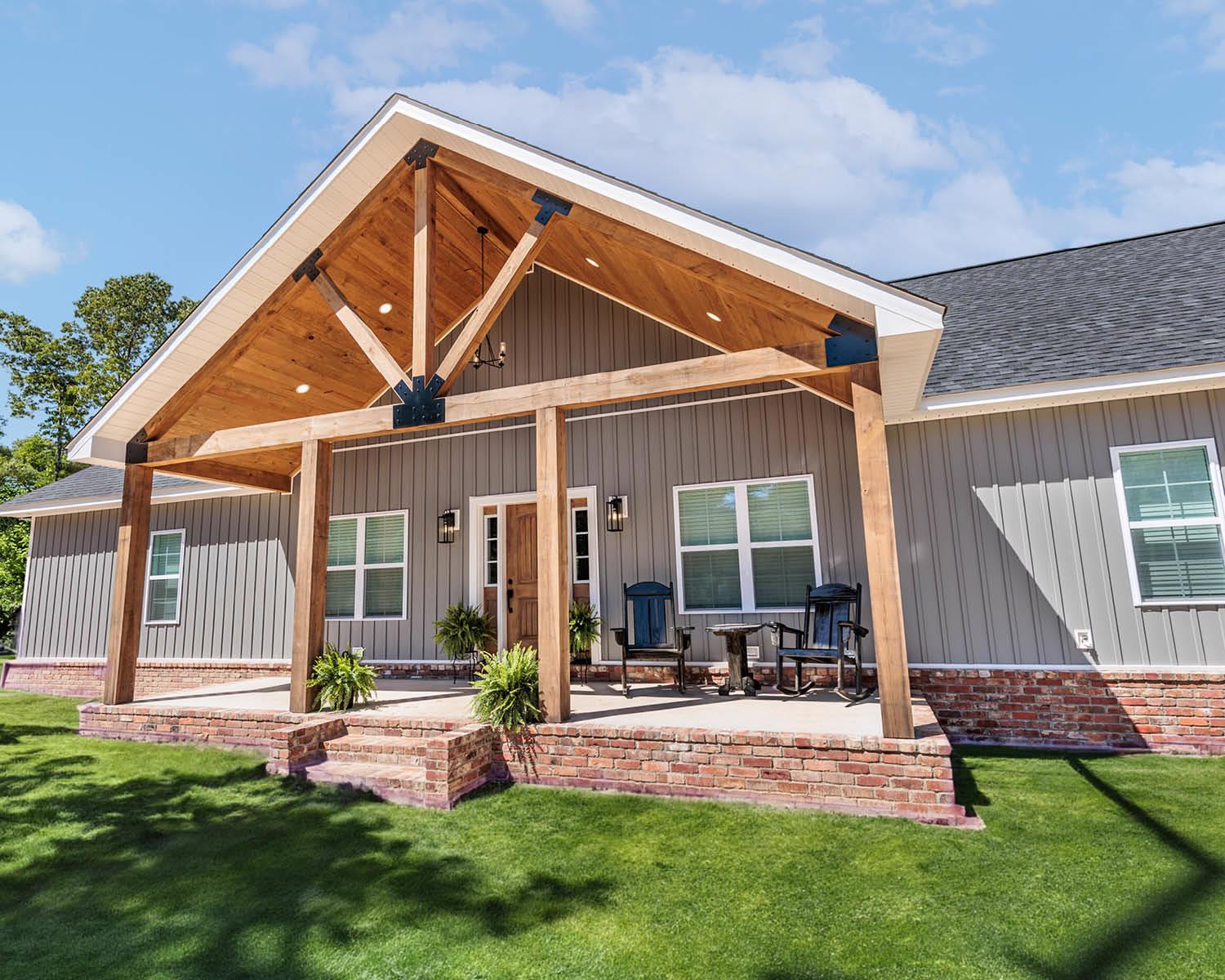
Friends, neighbors, coworkers, and family can often tell you who does good work and who doesn't. If you can, ask to see finished projects in person.
When talking to past customers, ask questions like:
- Did the contractor stick to the schedule?
- Was the work completed the way you expected?
- Did they communicate well during the project?
- Were problems handled quickly and fairly?
- Did they come back to fix issues if needed?
- Did they stay on budget?
A contractor’s work is important, but how they treat people during the project matters too.
Get More Than One Estimate
It’s a good idea to get written estimates from at least three contractors before you decide. And remember, the lowest price is not always the best deal.
Sometimes, one contractor might include better materials or more detailed work. Other times, a very low estimate could mean something important was left out.
Compare Apples to Apples
Make sure each contractor is bidding on the same project details. For example, if one estimate includes custom cabinets and another has basic prefabricated cabinets, the prices won’t be a fair comparison.
Take time to sit down with each contractor and go over the estimate together. Keep asking questions until you fully understand:
- What materials will be used
- What work is included
- What work is not included
- Estimated timelines
- Payment schedules
Watch for Extremely Low Bids
If one estimate is much lower than the others, be cautious. It could mean:
- The contractor made a mistake
- The bid leaves out part of the work
- The contractor plans to cut corners later
A low price at the start can sometimes lead to expensive problems later on.
Always Get It in Writing
It’s easy to forget verbal promises. Written agreements protect both you and the contractor.
Before any work starts, make sure you have a written contract that clearly explains the project.
Your contract should include:
- A detailed description of the work
- Materials being used
- Start and finish dates
- Payment amounts and due dates
- Any warranties or guarantees
The more details your contract has, the better. If anything changes during the project, ask for those changes in writing too. Even small adjustments can affect the cost and schedule.
Don’t Pay Everything Up Front
One of the biggest mistakes homeowners make is paying too much up front.
A contractor may ask for a deposit before starting, which is normal, but you should never pay the full amount before the work is finished.
As the project moves forward, your payments should match the progress.
A Good Guideline: Don’t let your payments get ahead of the work. Hold the final payment until the project is fully complete, final touch-ups are finished, and you are satisfied with the work.
Keep a Job File From Day One
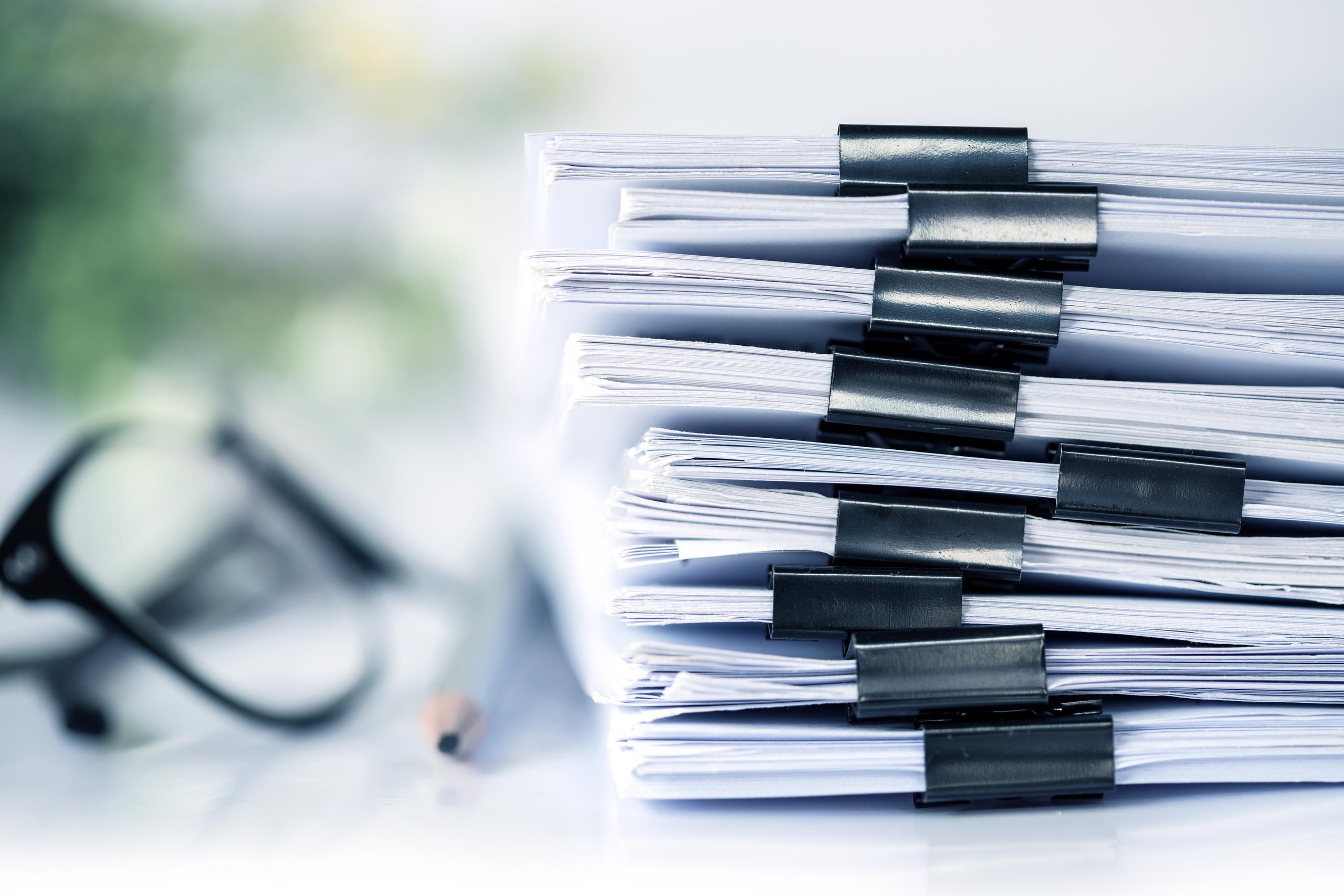
Keeping good records can save you a lot of trouble later. Create a folder, either paper or digital, with everything related to your project.
Your job file should include:
- The signed contract
- Change orders
- Plans and drawings
- Permits
- Bills and invoices
- Copies of payments
- Emails and text messages
- Photos and videos of progress
- Lien releases from subcontractors or suppliers
It also helps to keep notes throughout the project.
Write down:
- Who worked on the job
- When crews were on site
- Materials that were delivered
- Questions or concerns that came up
Some homeowners keep a simple daily or weekly journal during construction. It might seem unnecessary at first, but detailed records can be very helpful if problems come up later.
Quick Tip: Consider placing a video camera or game camera at the building site during construction. Cameras can provide time stamps showing when crews arrive and leave each day. They can also help you keep track of deliveries, weather delays, and what happens on your property when you’re not there.
Building With Confidence
A home project is a big investment, but it doesn’t have to feel overwhelming.
Taking time to research contractors, compare estimates, and keep good records can help your project stay on track from start to finish.
The right contractor won’t just build your house or remodel your kitchen. They’ll also help give you peace of mind along the way.
Other News